
R: 0 / I: 0
>You know what… Fuck what you think.
>I'm sick of the chuddy bullshit that has raped and pillaged our precious dutch cartoon girl porn threads.
>Fuck white people. Black lives matter. I don't give a fuck if the ideology will kill us all, I'll gladly betray my race to fuck the younger generation, ie you.
>You know what… Fuck what you think.
>I'm sick of the chuddy bullshit that has raped and pillaged our precious dutch cartoon girl porn threads.
>Fuck white people. Black lives matter. I don't give a fuck if the ideology will kill us all, I'll gladly betray my race to fuck the younger generation, ie you.

R: 245 / I: 91
>random video
SNCA and random crap thread
uh idk i'm bored>random video
R: 5 / I: 0
Art Tutorials for Learning
Do you have any good art Tutorials I can listen to?
R: 4 / I: 0
GEEEEEEEEG THIS TROON CAN'T BE FOR REAL GEEEEEEEEEG PLEASE 'EM UP THE COMMENTS
https://m.youtube.com/watch?v=vn9RZohQHbc&ra=m
GEEEEEEEEG THIS TROON CAN'T BE FOR REAL GEEEEEEEEEG PLEASE 'EM UP THE COMMENTS
https://m.youtube.com/watch?v=vn9RZohQHbc&ra=m
R: 60 / I: 14
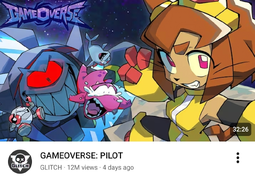
GAMEOVERSE, what are your thoughts about the newest goyslop by glitch productions
GAMEOVERSE, what are your thoughts about the newest goyslop by glitch productions

R: 4 / I: 0
presentcacas LOST, pastgods VON
presentcacas LOST, pastgods VON

R: 3 / I: 5
agugu gems only
agugu gems only
R: 8 / I: 3
>waar is je fatbike
>waar is je fatbike
R: 10 / I: 1
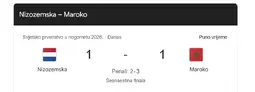
Morocco beat the Netherlands in the world cup due to penalties
The shitskins have won, its over hollandbros…
R: 13 / I: 8
>myocardial infarction yourself obsessed high-fructose corn syrup
>myocardial infarction yourself obsessed high-fructose corn syrup
R: 7 / I: 6
>unapologetically evil villians
>unapologetically evil villians

R: 4 / I: 1
crucified Mymy
I just saw Mymy getting crucified and I cannot find the image
R: 22 / I: 6
Does anyone else feel an overwhelming hatred for human ignorance, anti-intellectualism, and pseudo-intellectualism? I’m talking about people who refuse to change even when presented with clear, rational evidence against their flawed mindset. Instead, they justify their wicked beliefs and actions, like those who defend genocide or child marriage under the guise of tradition or faith.
You see it in the culture wars, the gender wars, people from the same oppressed class turning on each other over distractions, while the elites watch comfortably from above. We’re so busy fighting each other that we forget the real war is economic, systemic, and class-based. People parrot whatever narrative they’re fed, they never question nor research their topic and make up shit as they move along as they dehumanize others for their fragile narratives. Yet these people are given equal right when in systems like democracy, because I guess their ignorance is somehow as valid as my awareness.
Another problem I have is that I struggle to connect with people because of how deeply I think about everything. Did you know that people with higher awareness and intelligence tend to be more antisocial? Not because of arrogance but because of existentialism. I don’t withdraw because I hate people, in fact I love humans. I don't interact because I see too much and know too much. I live with the constant weight of knowing how broken this world is, how a guy like me has the right mindset but doesn't have the willpower to act.
Regular people are like ships anchored to their harbor of realist goals and ambitions. But for me, I’m like a massive cruise ship, drifting in an endless ocean, no land in sight. I'm all brains no brawn. I can't participate in anything in a way that satisfies me. Ignorance is bliss and I wish I stayed ignorant.
Does anyone else feel an overwhelming hatred for human ignorance, anti-intellectualism, and pseudo-intellectualism? I’m talking about people who refuse to change even when presented with clear, rational evidence against their flawed mindset. Instead, they justify their wicked beliefs and actions, like those who defend genocide or child marriage under the guise of tradition or faith.
You see it in the culture wars, the gender wars, people from the same oppressed class turning on each other over distractions, while the elites watch comfortably from above. We’re so busy fighting each other that we forget the real war is economic, systemic, and class-based. People parrot whatever narrative they’re fed, they never question nor research their topic and make up shit as they move along as they dehumanize others for their fragile narratives. Yet these people are given equal right when in systems like democracy, because I guess their ignorance is somehow as valid as my awareness.
Another problem I have is that I struggle to connect with people because of how deeply I think about everything. Did you know that people with higher awareness and intelligence tend to be more antisocial? Not because of arrogance but because of existentialism. I don’t withdraw because I hate people, in fact I love humans. I don't interact because I see too much and know too much. I live with the constant weight of knowing how broken this world is, how a guy like me has the right mindset but doesn't have the willpower to act.
Regular people are like ships anchored to their harbor of realist goals and ambitions. But for me, I’m like a massive cruise ship, drifting in an endless ocean, no land in sight. I'm all brains no brawn. I can't participate in anything in a way that satisfies me. Ignorance is bliss and I wish I stayed ignorant.
R: 148 / I: 29
Unpopular opinion
Post your unpopular opinions here
R: 7 / I: 1
im mad
the fuck is up with zelligbooru not working half the time
R: 32 / I: 9
>trannies making more transphobic gems than any 2026 troonjak
How do they do this, did we lose something along the way?
>trannies making more transphobic gems than any 2026 troonjak
How do they do this, did we lose something along the way?
R: 6 / I: 0
this site is actually so dead
this site is actually so dead
R: 21 / I: 1
If you're not german and you idolise hitler at the same time you're super mega retarded. Hitler was a german nationalist not a white nationalist, he killed 60,000 frenchmen when he invaded france, 40,000 englishmen when he was bombing london, and millions upon millions of slavs. You are literally a larping branigger no different from a filipino or mexican neo-nazi. Kill yourself too for good measure.
If you're not german and you idolise hitler at the same time you're super mega retarded. Hitler was a german nationalist not a white nationalist, he killed 60,000 frenchmen when he invaded france, 40,000 englishmen when he was bombing london, and millions upon millions of slavs. You are literally a larping branigger no different from a filipino or mexican neo-nazi. Kill yourself too for good measure.

R: 14 / I: 3
New summer hit that all chuddies will listen to
New summer hit that all chuddies will listen to

R: 124 / I: 24 (sticky)
https://ocgemerald.club/
https://ocgemerald.club/
Welcome home, buddy! And bring your gems with you!
The Club is open once again!
https://ocgemerald.club/https://ocgemerald.club/
https://ocgemerald.club/
Welcome home, buddy! And bring your gems with you!
R: 26 / I: 5
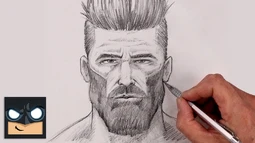
How can you tell if the artist is a foid in opposed to a man?
How can you tell if the artist is a foid in opposed to a man?
R: 33 / I: 10
The other addition is worse, it's a continuation of based and christ pilled related to cuck fetishism, used to mock too overly zealous christians and such other groups. Overall I don't think either meme is funny or has any scope other than being edgy and subverting expectations. One of the reason soy culture was good is because almost every piece had a chuddy meaning to it, like squirreljaks being a stand in for the white man against the invader. This does point at where soy culture is directed, which is to become irony poisoned, invert its original chuddy values in the name of baiting and eventually die
mumma and pantied and sissified
The latest additions to """""""""""""""""""soy""""""""""""""""""" culture are currently being made on xitter of all places, like all things. They're heavily NAS related and completely irony poisoned. Mummaposting can be boiled down as acting like pajeets to bait other chuds, or hopefully to accelerate hate towards indians, with heavy overlap into unironic INWO posting, by falseflagging as them. It all hangs from the fact indian memes are just reskinned /pol/ memes with outrageous claims (for example whites fucking animals even if it's a thing muslims do or projecting their pedophilia) with the end goal being appropriating how indians behave to integrate it into the broader language, much like xe/xer/xem and xisters was integrated as almost unironic lingo, although the latter always was clearly ironic.The other addition is worse, it's a continuation of based and christ pilled related to cuck fetishism, used to mock too overly zealous christians and such other groups. Overall I don't think either meme is funny or has any scope other than being edgy and subverting expectations. One of the reason soy culture was good is because almost every piece had a chuddy meaning to it, like squirreljaks being a stand in for the white man against the invader. This does point at where soy culture is directed, which is to become irony poisoned, invert its original chuddy values in the name of baiting and eventually die

R: 67 / I: 3
test
test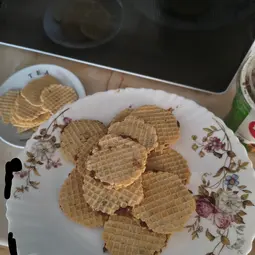
R: 5 / I: 2
-Crackers (you can use hardtack as a substitution)
-Chocolate (you can use horse shit as a substitution)
-Knife for spreading chocolate (you can use your penis as a substitution)
<
Instructions:
-You spread chocolate on the crackers
-You can deduce what comes next
<
Alright merry christmas in advance
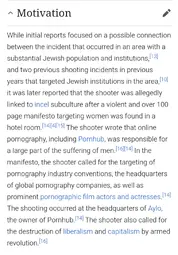
Stroopwaffles for DSLs
Ingredients:-Crackers (you can use hardtack as a substitution)
-Chocolate (you can use horse shit as a substitution)
-Knife for spreading chocolate (you can use your penis as a substitution)
<
Instructions:
-You spread chocolate on the crackers
-You can deduce what comes next
<
Alright merry christmas in advance
R: 34 / I: 12
Yet another shooting happened, this time the retard took on the name of a prominent booru janny (or worse, it's directly him), Soysneed. No mention of us so far, considering I could not find a manifesto
Yet another shooting happened, this time the retard took on the name of a prominent booru janny (or worse, it's directly him), Soysneed. No mention of us so far, considering I could not find a manifesto

R: 1 / I: 1
I originally joined this website to soypost but I got bored and nowadays I just get on here to argue with people, it's just a habit now
This is a bad thing i think
I originally joined this website to soypost but I got bored and nowadays I just get on here to argue with people, it's just a habit now
This is a bad thing i think

R: 3 / I: 1
>if you ask me, I think the schoolocaust game is doing more harm then good. it attracts loser shooter niggas to this site and community which will lead back to us, which eventually have it shut down. I know its hard seeing how iconic it is, but its for the greater good of the site
>if you ask me, I think the schoolocaust game is doing more harm then good. it attracts loser shooter niggas to this site and community which will lead back to us, which eventually have it shut down. I know its hard seeing how iconic it is, but its for the greater good of the site

R: 2 / I: 0
I'm watching this right now
What are you watching
I'm watching this right now
What are you watching

R: 2 / I: 1
its based and radfem pilled
geg
R: 3 / I: 0
serious topic (maybe)
Do you think that Quote was contacted by the Jewish cabal like moot, or just glowies in general? I'll leave it up to you if they 'aped him too like moot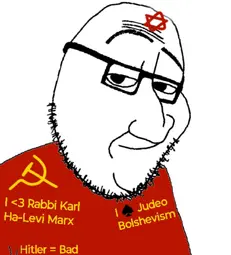
R: 5 / I: 0
>communism is the only moral form of governance and if you could please look at Cuba you'd see that-
<this communist thing isn't working out for me
<I'll switch to a free market!
>WTF THAT WASN'T REAL COMMUNISM, THE US CAUSED THIS THE SANCTIONS CAUSED IT! NOOOOOOOOOOOOOO!!!
>communism is the only moral form of governance and if you could please look at Cuba you'd see that-
<this communist thing isn't working out for me
<I'll switch to a free market!
>WTF THAT WASN'T REAL COMMUNISM, THE US CAUSED THIS THE SANCTIONS CAUSED IT! NOOOOOOOOOOOOOO!!!

R: 2 / I: 0
Itt post your first soyjaks
I made these in 2023
Itt post your first soyjaks
I made these in 2023

R: 11 / I: 3
>Registrant Contact
>Country: NL
>ongezellig themed website
see for yourself
https://www.whois.com/whois/soyzellig.party
>Registrant Contact
>Country: NL
>ongezellig themed website
see for yourself
https://www.whois.com/whois/soyzellig.party
R: 2 / I: 1
Jewigger Kikeslave
hey man, i know things are tough right now, but I'll always be here for you to blame okay
R: 11 / I: 3
now that zutes gone i wonder who shes going to date next.
is anyone going to take a shot at the zarty queen?
now that zutes gone i wonder who shes going to date next.
is anyone going to take a shot at the zarty queen?

R: 8 / I: 5
>OH MY FUCKING HITLERINO WHY ARE LEFTISTS LIKE THIS???? WHY DOES EVERY SINGLE FUCKING LEFTIST SLIP ON BANANAS ALL THE TIME??? WHY DO ALL THESE FUCKING LEFTISTS DO THIS?????
leftist derangement syndrome be like
*one (1) leftist slips on banana*>OH MY FUCKING HITLERINO WHY ARE LEFTISTS LIKE THIS???? WHY DOES EVERY SINGLE FUCKING LEFTIST SLIP ON BANANAS ALL THE TIME??? WHY DO ALL THESE FUCKING LEFTISTS DO THIS?????
R: 1 / I: 0
the zellig wiki is dust
why bother using it? the sharty wiki literally describes the history of the site better than the site's official wiki
R: 15 / I: 7
>SUPPORTING ISRAEL IS NOOOOON NEGOTIABLE
>BEAR MARKET? THAT'S JUST 4D CHESS TO OWN DA LIBS
>FAFO, THIS IS WHAT A REAL PRESIDENT LOOKS LIKE!
>THE PISSEUROPEAN MIND CANNOT COMPREHEND
>DEPORTATIONS? WHAT ARE YOU TALKING ABOUT, WOKE DIED!
>SUPPORTING ISRAEL IS NOOOOON NEGOTIABLE
>BEAR MARKET? THAT'S JUST 4D CHESS TO OWN DA LIBS
>FAFO, THIS IS WHAT A REAL PRESIDENT LOOKS LIKE!
>THE PISSEUROPEAN MIND CANNOT COMPREHEND
>DEPORTATIONS? WHAT ARE YOU TALKING ABOUT, WOKE DIED!
R: 8 / I: 1
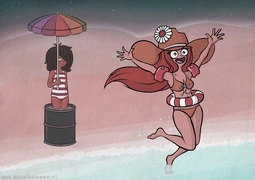
I wonder why Massa changed his name from Massagraf to Studio Massa.
I wonder why Massa changed his name from Massagraf to Studio Massa.

R: 8 / I: 1
both R/zellig and R/ongezellig on predit primary fan base are filipino, (unczellig is Filipino geg)
both R/zellig and R/ongezellig on predit primary fan base are filipino, (unczellig is Filipino geg)
R: 32 / I: 8
Soyjak content slop farms, why
Soyjak content slop farms, why
R: 144 / I: 56
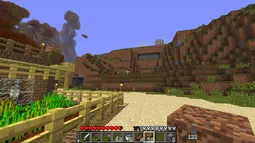
I'm making a green house up this hill, what kind of stairs should I build leading up?
I'm making a green house up this hill, what kind of stairs should I build leading up?

R: 26 / I: 13
I wonder which zellig sister/character would be the lightest to carry.
I wonder which zellig sister/character would be the lightest to carry.

R: 706 / I: 409
Soyaking thread
Just post soyjaks, soyduel others and just have fun while posting some epic soys :)
R: 7 / I: 3
Real article btw
Real article btw
R: 23 / I: 8
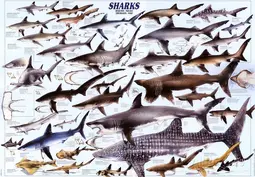
Engage in my hobby
What's your favorite shark? Mine is the great hammerhead because their heads look cool and they have 360 degree vision and the best electroreception of any shark, also they're big
R: 2 / I: 0
Im eating pie
nom nom nom
R: 7 / I: 1
It gets worse the more you look at it
It gets worse the more you look at it
R: 6 / I: 1
Yana spotted in the wild?
Yana spotted in the wild?

R: 12 / I: 3
pc master race niggas be like
>dirty dark room
>completely alone
>6000$ pc
>only plays roblox-tier indie games
>doomscrolls on social media
>"battlestation" is just a gooncave
>lunch skipped, orders doordash
>ignores important work
>livingroom is just a hallway to the fridge
pc master race niggas be like
>dirty dark room
>completely alone
>6000$ pc
>only plays roblox-tier indie games
>doomscrolls on social media
>"battlestation" is just a gooncave
>lunch skipped, orders doordash
>ignores important work
>livingroom is just a hallway to the fridge
R: 23 / I: 1
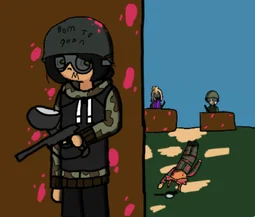
Does anybaldi want to play paintball with me?
https://www.onlinegames.io/xtreme-paintball-wars/
>inb4 dataminer
Does anybaldi want to play paintball with me?
https://www.onlinegames.io/xtreme-paintball-wars/
>inb4 dataminer

R: 12 / I: 7
Holy kek look at this science lover lolcow
Not one minute in and i'm already laughing my ass off
Holy kek look at this science lover lolcow
Not one minute in and i'm already laughing my ass off
R: 26 / I: 6
We need to teach men of this world that they need to stop giving so much attention to women, they need to stop simping at them so much. This is where hypergamy comes from, from the huge imbalance between the amount of unsolicited attention women receive simply by existing and the amount men receive. This is obviously a thing as old as time. In the Middle Ages, men literally fought to the death in tournaments for women's attention, but these days it's greatly amplified by social media and portals like OnlyFans. It's terrifying how much people spend on OnlyFans, and what the disparity in experience on Tinder looks like between women and men, for example. Men need to be taught not to give women so much attention, to be able to curb their urges and not reward just any, uninteresting woman with their time. This kind of shit causes most of the problems in modern male-female relationships.
We need to teach men of this world that they need to stop giving so much attention to women, they need to stop simping at them so much. This is where hypergamy comes from, from the huge imbalance between the amount of unsolicited attention women receive simply by existing and the amount men receive. This is obviously a thing as old as time. In the Middle Ages, men literally fought to the death in tournaments for women's attention, but these days it's greatly amplified by social media and portals like OnlyFans. It's terrifying how much people spend on OnlyFans, and what the disparity in experience on Tinder looks like between women and men, for example. Men need to be taught not to give women so much attention, to be able to curb their urges and not reward just any, uninteresting woman with their time. This kind of shit causes most of the problems in modern male-female relationships.

R: 0 / I: 0
gigachads listen to this
gigachads listen to this
R: 1 / I: 0
i think itt is gem do you
new varient
this is my new varient oil jacki think itt is gem do you
R: 11 / I: 7
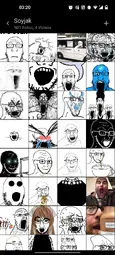
Found this soy folder image from an archived 2021 thread, it has good soys, i'll post the ones i already hvae and you post the ones that i dont have okay???
Found this soy folder image from an archived 2021 thread, it has good soys, i'll post the ones i already hvae and you post the ones that i dont have okay???
R: 5 / I: 0
Have (you) gone and seen The Amazing Dilation Circumcision movie? (Or went out and screamed spoilers at all the autists who went? Geg)
Have (you) gone and seen The Amazing Dilation Circumcision movie? (Or went out and screamed spoilers at all the autists who went? Geg)

R: 38 / I: 13
I think you guys should read these, they're txts describing the inner workings of the Streety in this Zoot blessed year. We're not mentioned so don't worry, but it explains, well a lot. The second readme is definitely worse than the other in terms of consequences though
I think you guys should read these, they're txts describing the inner workings of the Streety in this Zoot blessed year. We're not mentioned so don't worry, but it explains, well a lot. The second readme is definitely worse than the other in terms of consequences though

R: 28 / I: 10
>tfw the goyslop looks like a BBC dildo
>tfw the goyslop looks like a BBC dildo
R: 6 / I: 1
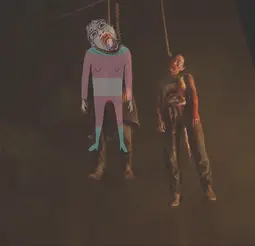
Did you know that the full_body rendition of the hanging troonjak is actually based upon a single shot of Lev (a transgender character) from TLOU2? As you can see the trace doesn't follow that much the original shape, opting to make it smaller and take some liberties, but you can see that the torso does indeed fit and the right hand too, which is actually copied and pasted to make the left hand. While this game did come out on June 2020, troonjak itself wasn't created until July 2021, with this variant, following after. It's of interest to note that TLOU2 was also bad product and considerably ZOGged featuring moments when the main characters (who are lesbians) are forced to go into a synagogue and hear a spiel about Judaism and other such things, meaning that soy culture effectively took things that are bad and remade them into gems through the simple action of retracing
Did you know that the full_body rendition of the hanging troonjak is actually based upon a single shot of Lev (a transgender character) from TLOU2? As you can see the trace doesn't follow that much the original shape, opting to make it smaller and take some liberties, but you can see that the torso does indeed fit and the right hand too, which is actually copied and pasted to make the left hand. While this game did come out on June 2020, troonjak itself wasn't created until July 2021, with this variant, following after. It's of interest to note that TLOU2 was also bad product and considerably ZOGged featuring moments when the main characters (who are lesbians) are forced to go into a synagogue and hear a spiel about Judaism and other such things, meaning that soy culture effectively took things that are bad and remade them into gems through the simple action of retracing
R: 16 / I: 5
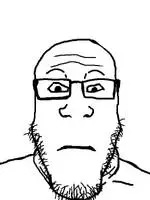
what would you do if they made it illegal for white people to reproduce, but you were able to demand a state mandated brown girlfriend if you are an incel
what would you do if they made it illegal for white people to reproduce, but you were able to demand a state mandated brown girlfriend if you are an incel

R: 18 / I: 4
Scar is anti-zellig, /qa/ is getting harder to use under Froot, Doll promoted Red to head janny and Red was anti-zellig… who is our friend? Who should we lobby for and who should we hope for? Maybe Ronald from Soyjak.in since he supports boards for niche interests?
Scar is anti-zellig, /qa/ is getting harder to use under Froot, Doll promoted Red to head janny and Red was anti-zellig… who is our friend? Who should we lobby for and who should we hope for? Maybe Ronald from Soyjak.in since he supports boards for niche interests?

R: 11 / I: 6
my dog thread
my dogs are cute
R: 36 / I: 12
Old art thread
A lot of these are furry shit because they pay well. I also do humans and I can also do 'zellig commissions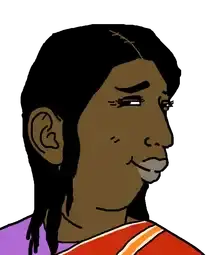
R: 4 / I: 2
we indian girls are so fucking sexy and we should make babies with the superior race; that being indonesians o algo
we indian girls are so fucking sexy and we should make babies with the superior race; that being indonesians o algo

R: 5 / I: 0
Zellig plug outlet
/ele/-Electricity
/ele/-ElectricityZellig plug outlet
R: 4 / I: 1
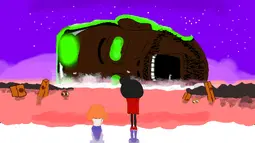
Has it been a year already?
Has it been a year already?

R: 11 / I: 5
im from chile
hello
searching for south american ongezellig fans heaim from chile
R: 0 / I: 0
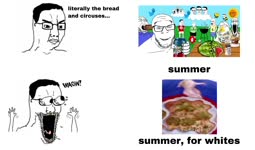
Me btw
Me btw
R: 7 / I: 1
Anyways peeb for relevance o algo
d
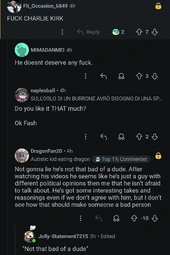
This 'eddit thread made me want to carve out my foreskin. I need to uninstall this god forsaken app.Anyways peeb for relevance o algo
R: 10 / I: 3
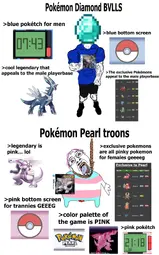
Someone made a PC port of Pokemon Platinum with the leaked source code or something, idk I'm reposting it here for posterity.
Windows: https://files.catbox.moe/swi83t.7z
Linux: https://files.catbox.moe/1ndema.7z
4brap thread a few days ago talking about it: https://boards.4chan.org/v/thread/739614454/pokemon-platinum-native-pc-port-is-out
Someone made a PC port of Pokemon Platinum with the leaked source code or something, idk I'm reposting it here for posterity.
Windows: https://files.catbox.moe/swi83t.7z
Linux: https://files.catbox.moe/1ndema.7z
4brap thread a few days ago talking about it: https://boards.4chan.org/v/thread/739614454/pokemon-platinum-native-pc-port-is-out

R: 8 / I: 3
I'm bored as fuck
I'm bored as fuck

R: 6 / I: 1
Mymyzellig
NEEEED MYMY SITE NOOWWWW
R: 9 / I: 3
My hypothesis (read Fact) as to why chuddies/right-leaning people are capable of writing characters/stories worth a shit more often than leftoids/troons is simply due to the fact they are capable of seeing the nuances of their characters, whereas leftists see everything as black and white.
>"This bad person makes bad actions, this good person makes good decisions. The good person could NEVER EVER EVER make bad decisions like pulling a heckkin' racism, otherwise they are a BAD person who should be shot and killed like the fucking bigot chudcel they are! :)"
What also doesn't help is that you see these libshit writers project themselves onto fictional characters and how they agree with literally all their beliefs and political associations (See all the xittertrannies drawing cartoon characters killing ICE agents). This is delusional manchild behavior, rightoids for the most part understand to disassociate with the characters they write about that have their own beliefs, morals, feelings about other people and the world around them. Even if what they write is nothing but a mouthpiece, the most troonphobic chud could probably still write a more interesting troon character than a tranny/leftist could because in their minds minorities/troons are literally flawless and giving them any flaws means you're just as bad as the heckkin' nazirinos.
There's probably more that could be said, but those are my thoughts on why leftists are incapable of writing and why rightists can output more interesting stories (if they're not a goon-brained pedo faggot that is).
My hypothesis (read Fact) as to why chuddies/right-leaning people are capable of writing characters/stories worth a shit more often than leftoids/troons is simply due to the fact they are capable of seeing the nuances of their characters, whereas leftists see everything as black and white.
>"This bad person makes bad actions, this good person makes good decisions. The good person could NEVER EVER EVER make bad decisions like pulling a heckkin' racism, otherwise they are a BAD person who should be shot and killed like the fucking bigot chudcel they are! :)"
What also doesn't help is that you see these libshit writers project themselves onto fictional characters and how they agree with literally all their beliefs and political associations (See all the xittertrannies drawing cartoon characters killing ICE agents). This is delusional manchild behavior, rightoids for the most part understand to disassociate with the characters they write about that have their own beliefs, morals, feelings about other people and the world around them. Even if what they write is nothing but a mouthpiece, the most troonphobic chud could probably still write a more interesting troon character than a tranny/leftist could because in their minds minorities/troons are literally flawless and giving them any flaws means you're just as bad as the heckkin' nazirinos.
There's probably more that could be said, but those are my thoughts on why leftists are incapable of writing and why rightists can output more interesting stories (if they're not a goon-brained pedo faggot that is).
R: 223 / I: 66
WE GOT A NEW SHOOTER
WE GOT A NEW SHOOTER

R: 3 / I: 2
postal will always be a gem
postal will always be a gem

R: 169 / I: 39
Tama Thread!
Post Tama!
R: 12 / I: 5
>EVEN I CAN BE EDGY!
>LOOK!
>KIRKIFIED! KIRKIED! LOWKIRKEYNUELY!
<*posts nigger gore*
>NOOOOOOOOOOOOOOOOOOOOOOOOOOOOOOOOOOOOOOOOOOOOOOOOOOOOOOOOOOOOOOO!
>EVEN I CAN BE EDGY!
>LOOK!
>KIRKIFIED! KIRKIED! LOWKIRKEYNUELY!
<*posts nigger gore*
>NOOOOOOOOOOOOOOOOOOOOOOOOOOOOOOOOOOOOOOOOOOOOOOOOOOOOOOOOOOOOOOO!

R: 184 / I: 36
Hi zaryans im 18 now and i got kicked out
i got kicked out of my house and am currently homeless who lives in las vegas nevada and wants to house me. i have 100 dollars in cash i can give to you
R: 5 / I: 1
>ai slop video video about ongezellig and us
not worth the main board, but gem it up ofzo
>ai slop video video about ongezellig and us
not worth the main board, but gem it up ofzo
R: 6 / I: 0
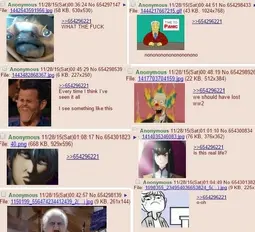
I hate it when 4cuckers make these gay retarded and cringy reaction collages
Any other internet behaviors you guys loathe?
I hate it when 4cuckers make these gay retarded and cringy reaction collages
Any other internet behaviors you guys loathe?
R: 67 / I: 19
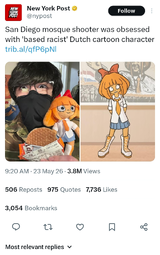
zellig bros...
ITS SO OVER
R: 3 / I: 0
ayo bitch ass niggas i be runnin r/ongezellig and lowk yall triflin n pissin me off yo ima have to slim and cheese yo ahhs out ong ong on sum real shiet
ayo bitch ass niggas i be runnin r/ongezellig and lowk yall triflin n pissin me off yo ima have to slim and cheese yo ahhs out ong ong on sum real shiet
R: 6 / I: 1
hey, wheres ocgemerald?
hey, wheres ocgemerald?

R: 16 / I: 7
Good morning zoycucks
I have been hired by quote to guard this brimmy site
Please do not attempt to leave the premises
Good morning zoycucks
I have been hired by quote to guard this brimmy site
Please do not attempt to leave the premises
R: 50 / I: 20
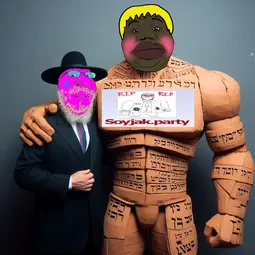
https://elders-of-soyon.tiiny.site
The Protocols of the Elders of Soyon
The final truth about the Soyspherehttps://elders-of-soyon.tiiny.site
R: 45 / I: 5
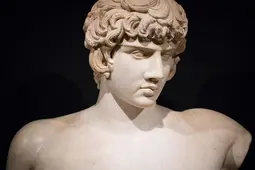
People for Traditional Values are dumbfuck, I am not liberal or leftist(I think they are anti progress and actually conservative) I think we should allow men to look more aristocratic, cause makeup in first made for aristocracy. Be aristocrat of soul. Be elegant, but also masculine(not in bourgeois sense, but in aristocrat pre christian sense). Christianity made people weak, it created liberalism and destroyed western civilization sinced the death of Christ
People for Traditional Values are dumbfuck, I am not liberal or leftist(I think they are anti progress and actually conservative) I think we should allow men to look more aristocratic, cause makeup in first made for aristocracy. Be aristocrat of soul. Be elegant, but also masculine(not in bourgeois sense, but in aristocrat pre christian sense). Christianity made people weak, it created liberalism and destroyed western civilization sinced the death of Christ

R: 3 / I: 0
Zellig Is Peak
>Soyzellig people are Zartycu- AAAACK!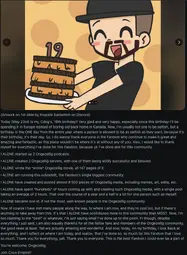
R: 46 / I: 15
Zartybros... it's over. Redditroons WQN...
Cdog is truly the face of ongezellig.
R: 26 / I: 8
Gook hate
I've noticed there has been a lot of anti Mymy propaganda lately, both here and on the zeddit. Call me a herd following goyim but honestly, I may have realized that these guys are kinda right, she doesn't even really fit in zellig, and I'm pretty sure her whole character was meant to make fun of based chuds like us. If I was in studio mASSa's shoes, I probably wouldn't have written her in, solely because she's just that side character that gets all the love while the main character is left in the dust.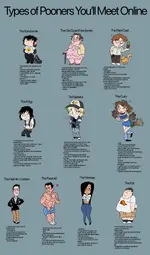
R: 32 / I: 17
Why does this exist
Why does this exist
R: 3 / I: 0
i genuinely cannot believe this site is still alive
i genuinely cannot believe this site is still alive

R: 0 / I: 0
>BRRROOOOOOOO! I JUST FOIND THIS SITE AND IT HAS THE SCHOOL SHOOTING GIRL ON IT!
>I ALSO HEARD THEY'RE PIKE FRIGGING HACKOR DOXERS, LET ME POST ALL ABOUT IT IN MY DISCORD GROUPS!
>BRRROOOOOOOO! I JUST FOIND THIS SITE AND IT HAS THE SCHOOL SHOOTING GIRL ON IT!
>I ALSO HEARD THEY'RE PIKE FRIGGING HACKOR DOXERS, LET ME POST ALL ABOUT IT IN MY DISCORD GROUPS!
R: 3 / I: 0
im kinda evil motherfucker Im sorta malicious chud I kinda hate seeing people I know having fun
im kinda evil motherfucker Im sorta malicious chud I kinda hate seeing people I know having fun

R: 9 / I: 3
>unbearable ZOG propaganda everywhere
>reddit moments straight out of 2017
>one of the main characters gets pregnant and a point about how preg women can still do dangerous jobs is made
>racemixing everywhere
>tasteless jokes and deaf humor
>trump bad because he hates shitskins or something
>more trump bad
>Elon Musk bad because he's white and rich
>hilariously bad effects
This was the most boring and time consuming piece of media I've had the displeasure of watching just because I've had to do it due to it being a family activity, I thought they stopped making brimstone years ago
>unbearable ZOG propaganda everywhere
>reddit moments straight out of 2017
>one of the main characters gets pregnant and a point about how preg women can still do dangerous jobs is made
>racemixing everywhere
>tasteless jokes and deaf humor
>trump bad because he hates shitskins or something
>more trump bad
>Elon Musk bad because he's white and rich
>hilariously bad effects
This was the most boring and time consuming piece of media I've had the displeasure of watching just because I've had to do it due to it being a family activity, I thought they stopped making brimstone years ago
R: 4 / I: 1
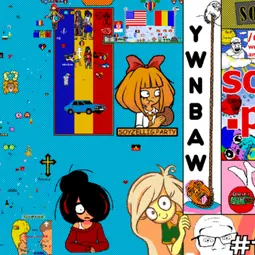
Should we give back our pixelplanet space back to our romanian xrothers and xisters? It would be zemmy
Should we give back our pixelplanet space back to our romanian xrothers and xisters? It would be zemmy
R: 3 / I: 0
jeez I wish the booru would fucking work today
jeez I wish the booru would fucking work today
R: 11 / I: 2
Homosexaulity is ok
We are all homosexauls also kys
R: 14 / I: 0
Why A lot of young man today are faggots?
They like their own gender, love faggotry and etc
R: 16 / I: 5
What would (you) do if Ongezellig never existed?
What would (you) do if Ongezellig never existed?